



Today, easyJet unveiled a new seat that they’ll introduce onboard their new A320neos and A321neos starting from 2028. While we see new airline products unveiled every so often, it’s not too often that a low-cost airline will make a press release about it (after all, product consistency is less of an issue for them). I’m glad that the new seats will result in lower carbon emissions (since they’re lighter), though it did cross my mind why I’d care about easyJet’s onboard seat at all. After all, if I fly easyJet, it’s because it’s the cheapest option, not because of their seats…right?
This led me to think that sometimes I do have a thought process of which low-cost airline I fly, even shorthaul intra-Europe. This is especially true when Ryanair and easyJet aren’t the only players in the market (e.g. if Jet2, Norwegian, or full-service airlines offering basic economy are in the game). I wanted to share some of those thoughts, as well as whether easyJet’s new product changes anything materially.
easyJet Introduces “Kestrel” Lightweight Seat – Lighter, More Legroom
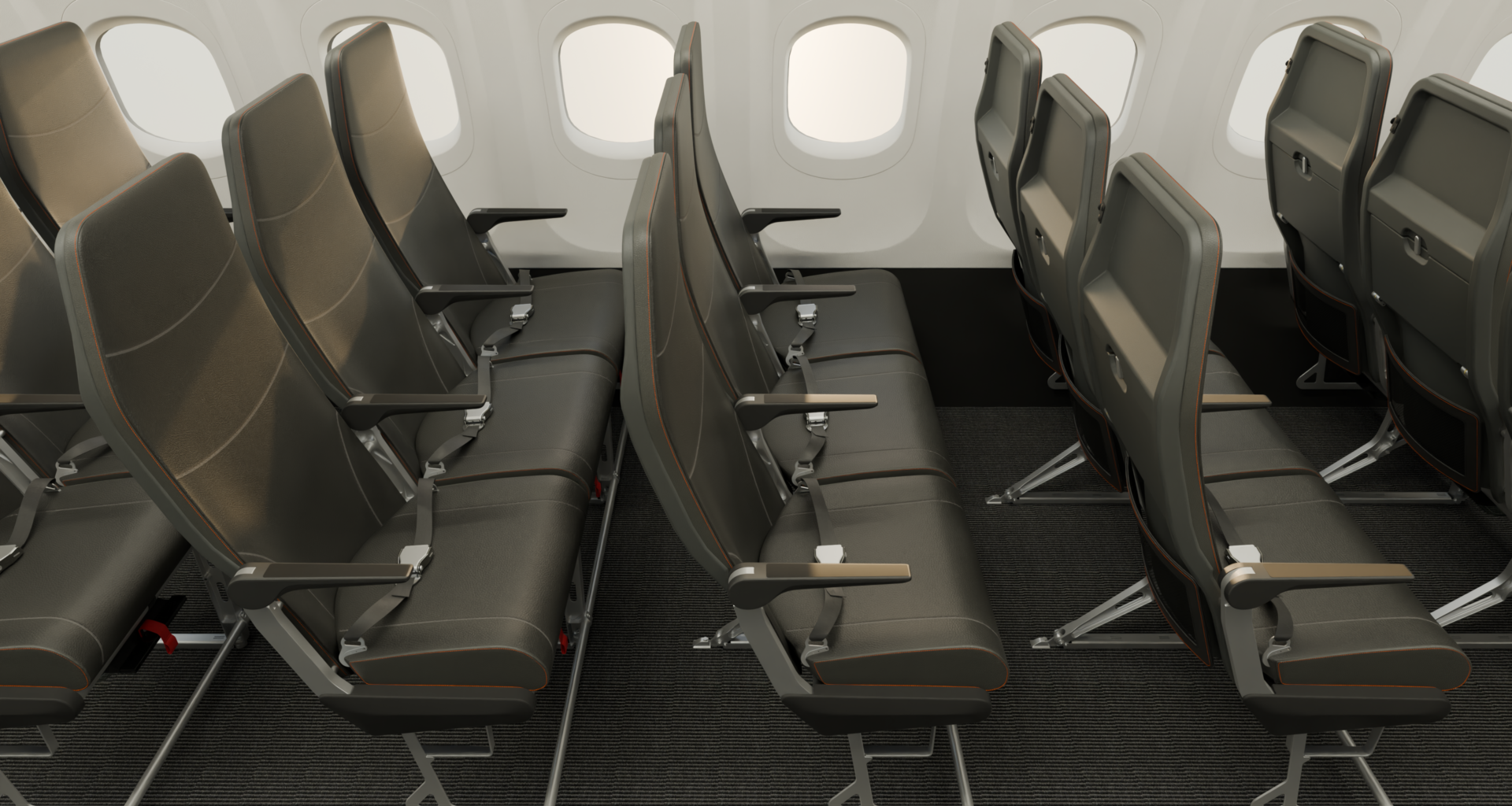
Today, easyJet revealed their new seat from Mirus Aircraft Seating. Named “Kestrel”, these seats apparently are 20% lighter than the current Recaro SL3510 seats. easyJet also plans to keep the same 29″ seat pitch, though apparently the design allows for two more inches of legroom. The press release touts that the airline will save 40,000 tonnes of CO2 annually with these seats, or 12,936 tonnes of fuel (as each aircraft will be 500 kg lighter).
The airline also shared some renders of what the seats would look like, which are shown below.
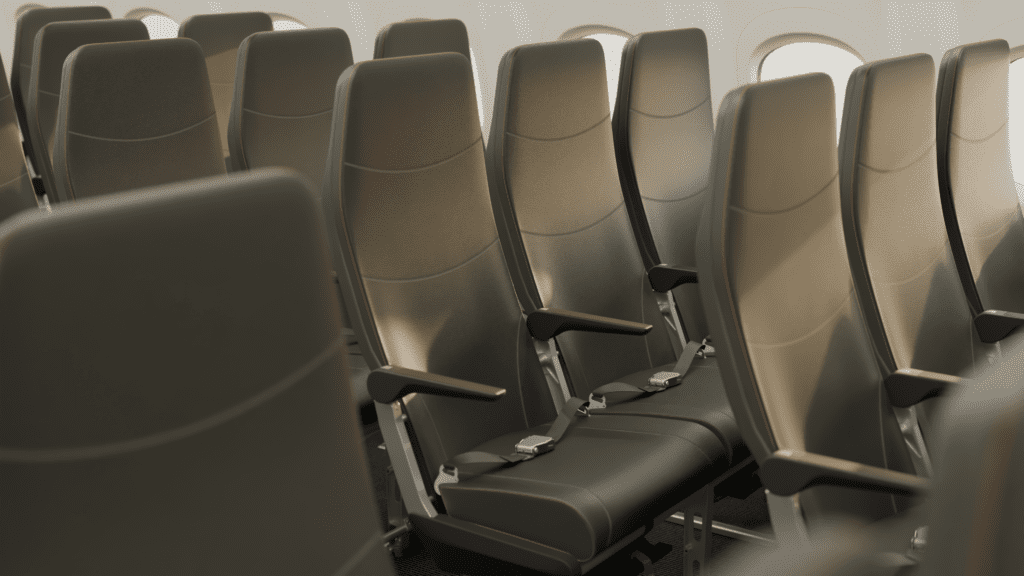
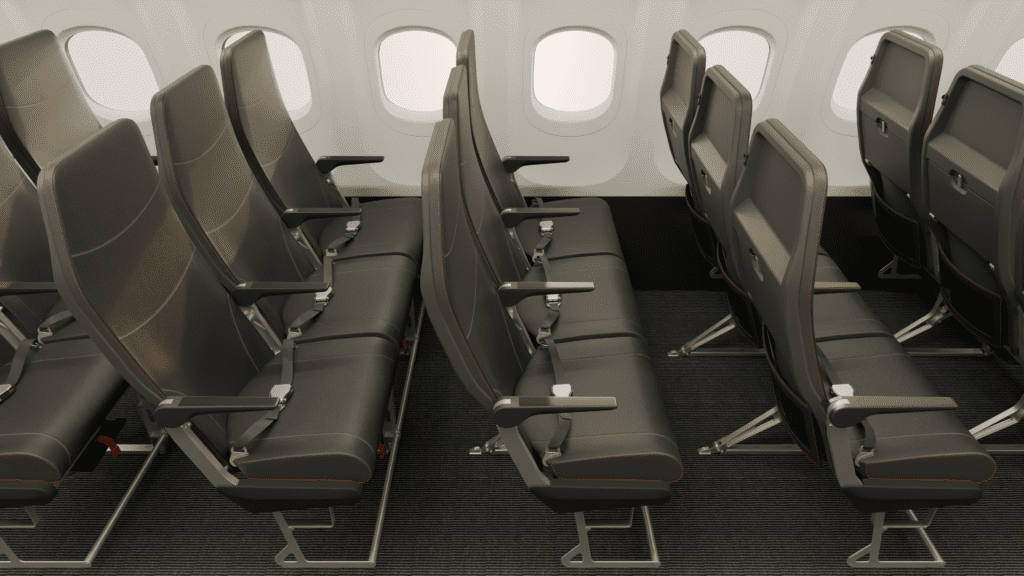
easyJet Kestrel Seats
Great, do I care?
My first impressions when I saw these Kestrel seats was “great, whatever, like anyone’s going to pick them because of these new seats”. After a bit of reflection, I still largely hold this stance.
However, I was thinking of what I look for more broadly when I’m flying intra-Europe. Is it just to find the cheapest possible option, with the add-ons that I need? The answer is not really.
Am I going to take a £21 Ryanair flight over a £67 Norwegian flight, when I can’t bring a bag on either? Yeah, probably.
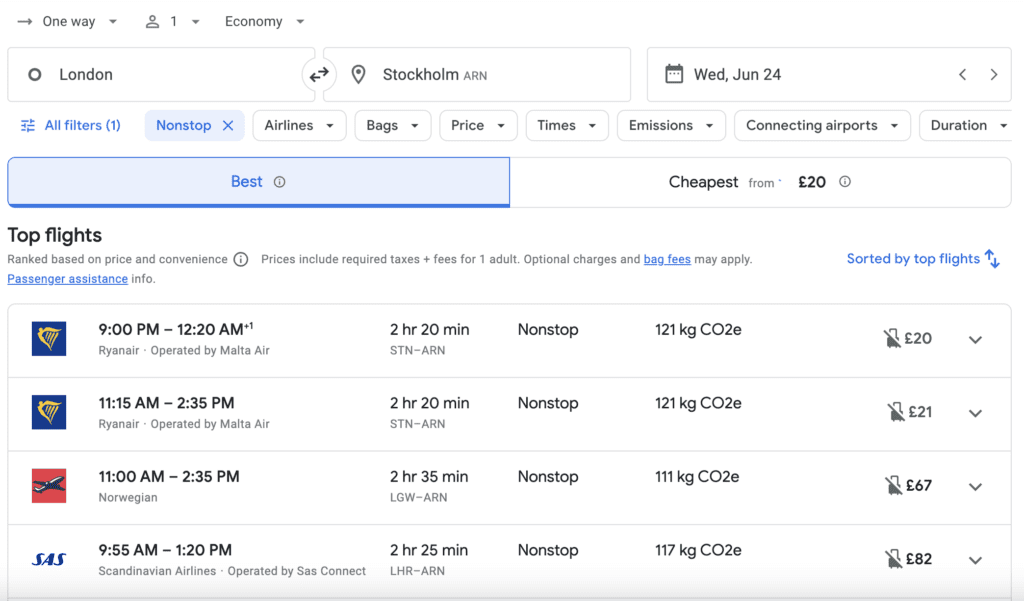
But if I’m constrained to what date I need to travel (say July 2, as per the below example) and I’m choosing between an £89 Ryanair flight and a £92 Norwegian flight, I’m not going to choose the Ryanair flight just because it’s £3 cheaper (let’s ignore the cost for now that it takes to travel to Stansted, compared to the cost it takes to travel to Gatwick).
My point is that even with low-cost airlines, sometimes I am considering the passenger experience.
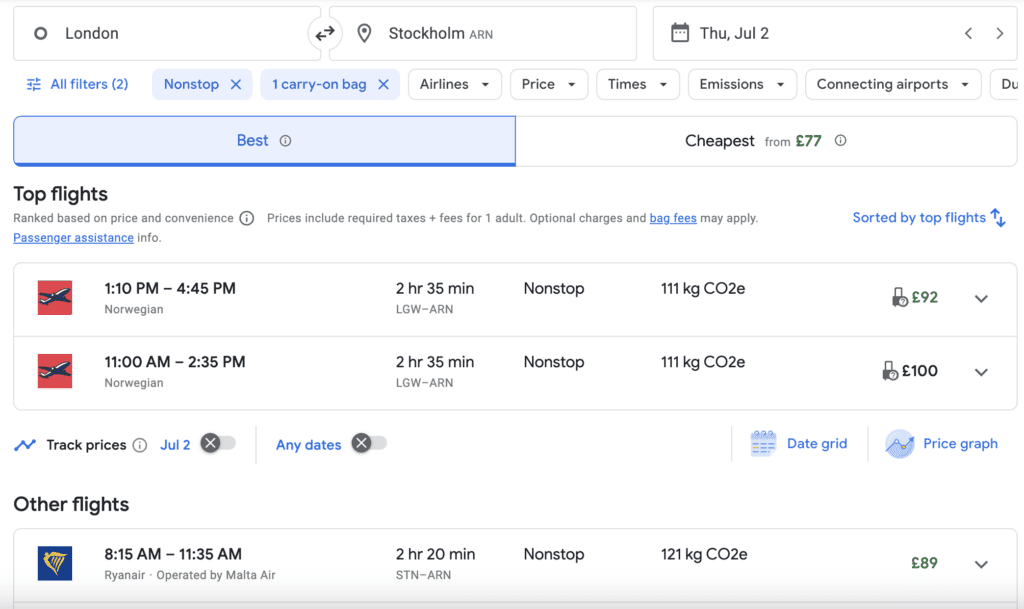
While the above is an example between Ryanair (famously unglamorous) and Norwegian (my favourite intra-European low-cost carrier), sometimes I’m making similar judgement calls when trying to figure out whether I prefer Ryanair or easyJet. The thought process is a lot more cost-driven (including ancillaries), though I’m still considering the passenger experience as a secondary factor when picking a low-cost airline to fly on these 2-3 hour flights.
The non-price factors I’m considering when choosing a low-cost airline
Here are the customer experience factors I’m thinking about, if I’m trying to pick between two similarly priced low-cost airlines that have a very similar schedule (I’m also factoring in similarly priced basic economy tickets on “legacy” airlines).
Firstly, I’d be thinking of which airport the airline flies out of. Legacy full-service airlines obviously have the upper hand, especially in London, though I generally find Gatwick and Luton (perhaps surprisingly) to be the stronger low-cost airline bases:
- Obviously I’m thinking of how much it costs to commute to the airport as a main deciding factor
- Perhaps I have access to lounges at Heathrow or Gatwick (or Luton, which has far better Priority Pass options than Stansted, and also better than Southend)
- Even if not, I prefer the in-terminal catering options at Heathrow, Gatwick, or Luton, so may prefer flying out of there compared to Southend or Stansted
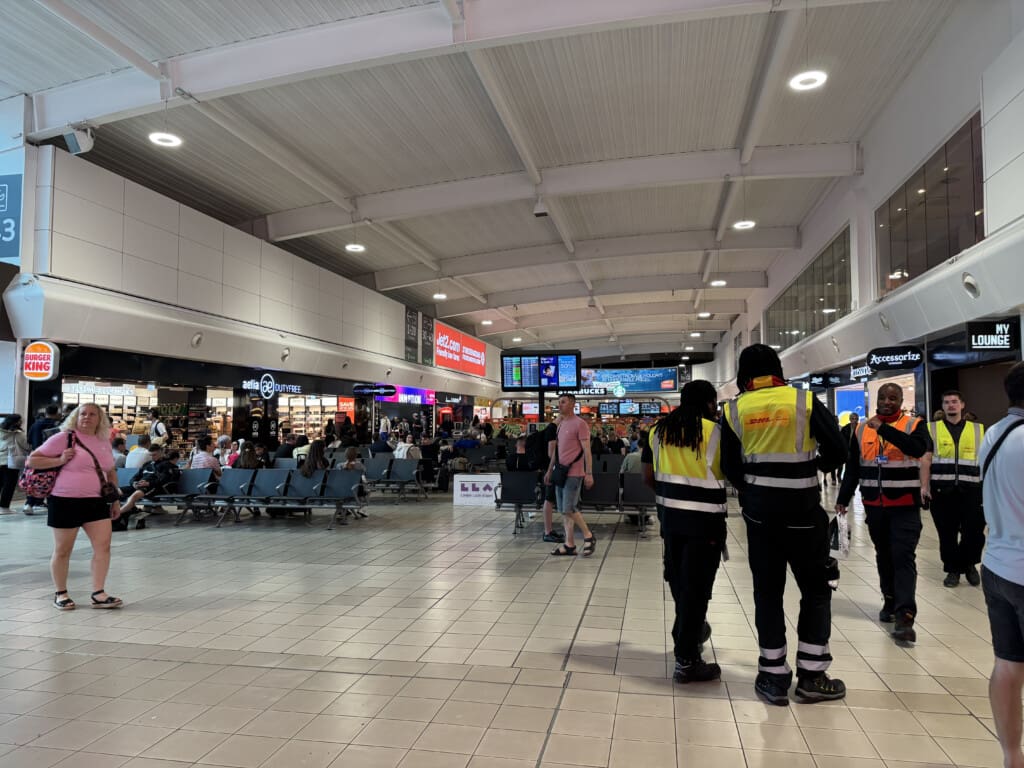
If pricing is equal, I’ll generally try finding out of a more desirable airport
I also prefer some airline seats to others onboard:
- Ryanair doesn’t have a seat pocket, which I don’t like. Jet2 also doesn’t have a seat pocket or window shades
- I also don’t like easyJet, Aer Lingus and Vueling‘s SL3510 seats as they have tiny tray tables
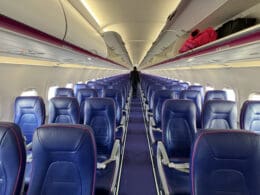
- I far prefer the SL3710 seat on Wizz Air and Transavia, as they have seat pockets, good tray tables, and I also find the back support to be better; the Lufthansa group (incl. Eurowings) and Norwegian also have among the better low-cost airline style seats
- I’m also looking for some form of in-seat power on these short flights – more common on legacy carriers, though also available on airlines such as Transavia
- In terms of legacy full-service airlines, I’m also a fan of the more modern setups on airlines such as Air France with headrests and in-seat power (British Airways is good at in-seat power and headrests for the most part, except for some of their older A320neos and A321neos, which suck)
- I generally don’t care about recline on these short flights. Even if I were to use the recline function (which I usually don’t on these flights, unless the seat behind me is empty), there is virtually zero recline in any of these seats on intra-European shorthaul flights
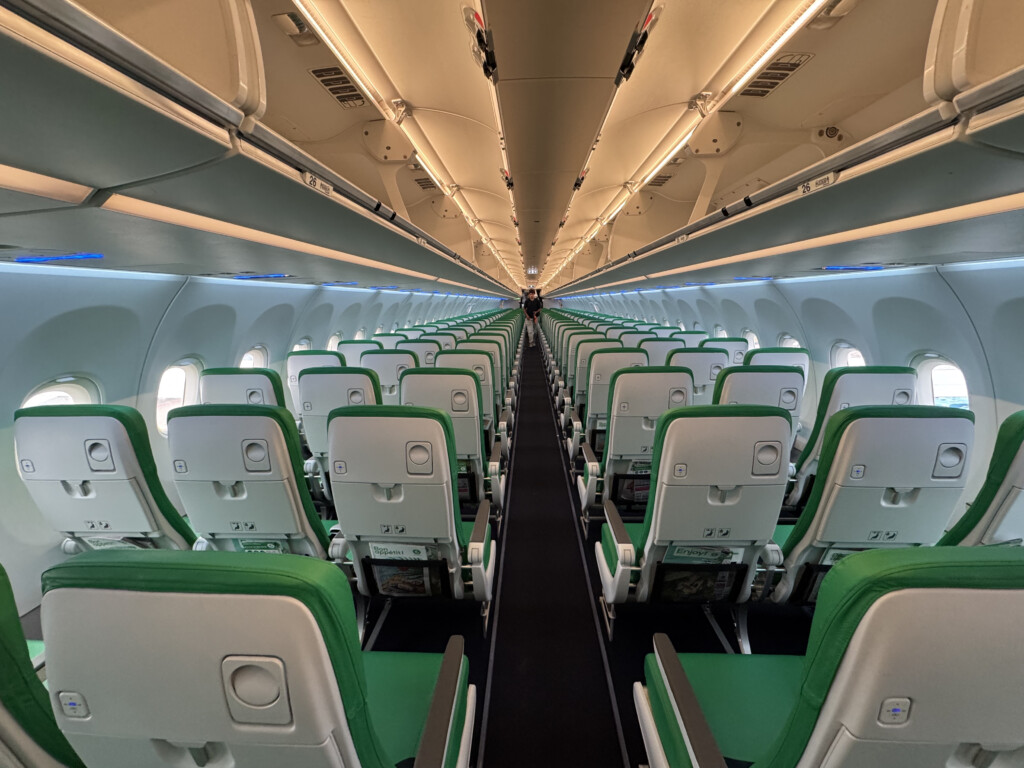
Large tray tables and 60W USB-C power ports are as much as I can ask for from a low-cost carrier
Then I’ll think about which non-essential ancillaries I’ll be taking advantage of:
- Will the airline let me bring on a bag? Even if I can fit everything in a backpack, I’d still consider the flexibility of pack something extra last minute to be valuable, or the freedom of being able to bring a roller bag
- Everyone charges for seat selection nowadays, but how much do they charge? Ryanair and easyJet tend to charge less than full-service carriers or leisure carriers such as Jet2 or TUI, for example, so I can get a window seat for less
- What is the onboard catering like, if I’m hungry and want to eat? For example, Norwegian has delicious buy-on-board meals, and if we’re considering airlines that offer basic economy, so does Swiss. Meanwhile easyJet, Vueling, or British Airways meals are far less glamorous
- In terms of legacy carriers, airlines such as KLM/Air France automatically get in my good books for offering substantial free snacks, even if the snacks aren’t that inspiring
- Does the airline offer WiFi, even if it’s paid? I’m quite likely to take advantage of this on a longer flight. While Vueling gets a bad rep, they do have WiFi, which is a big redeeming feature, and also a good ancillary revenue source for them (so does Norwegian)
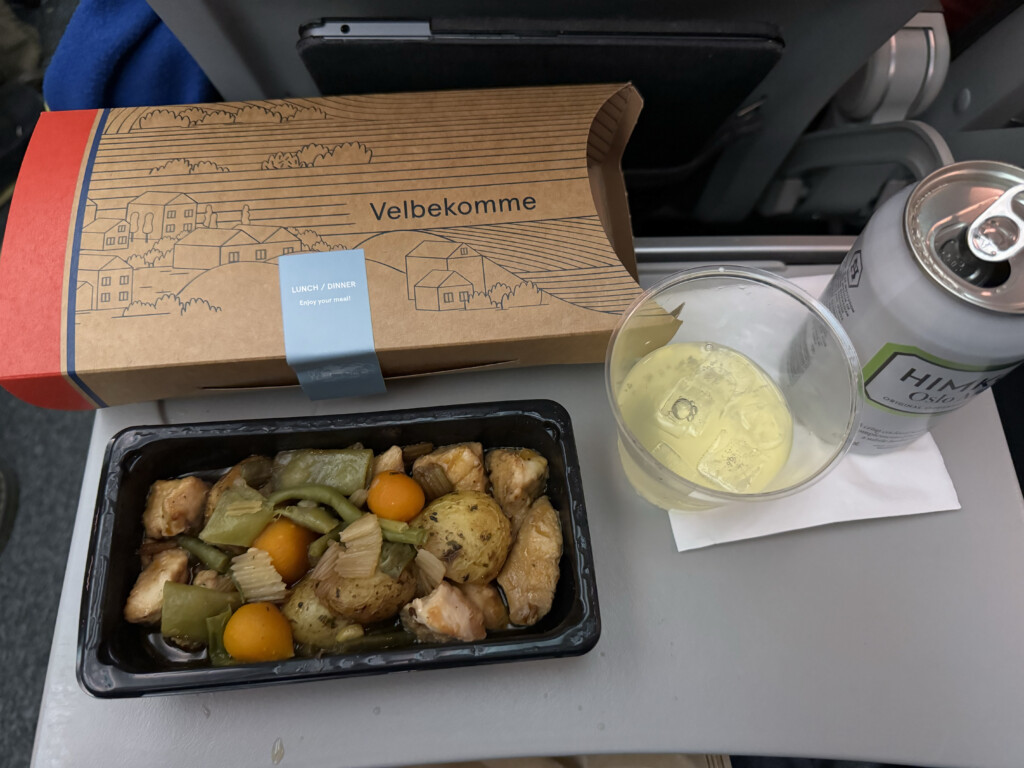
My Norwegian buy-on-board meal was delicious, whereas…
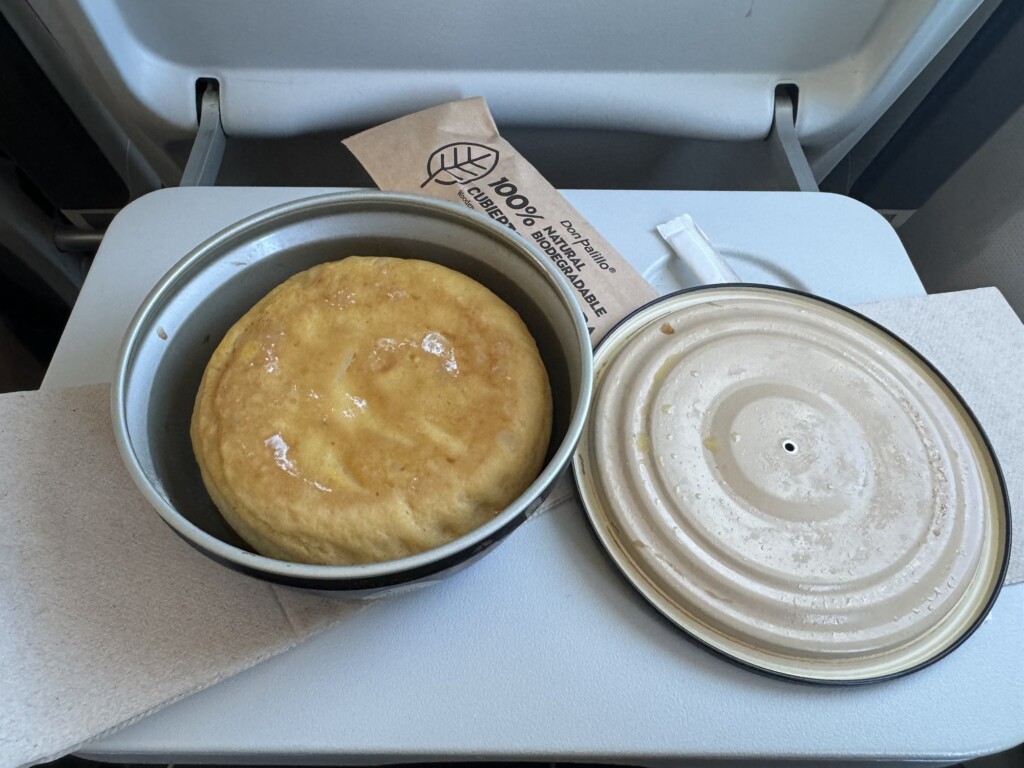
…my (cheaper) Vueling buy-on-board meal was disgusting
So how good is the Kestrel seat?
I can’t judge how good a seat is until I try it, but here are some observations just from seeing renderings of the Kestrel seat:
- There’s a substantial tray table, which I like
- I like that there are seat pockets, and am happy to believe that there’s more legroom, due to the curvature of the seat back
- I’m a little concerned about the seat’s support – it’s likely that these light seats will be much flimsier than their older counterparts
- The seat still doesn’t have any form of in-seat power, which is expected, given that they’re specifically touting how much lighter these seats are. Additionally, I highly doubt easyJet is thinking about onboard WiFi anytime soon
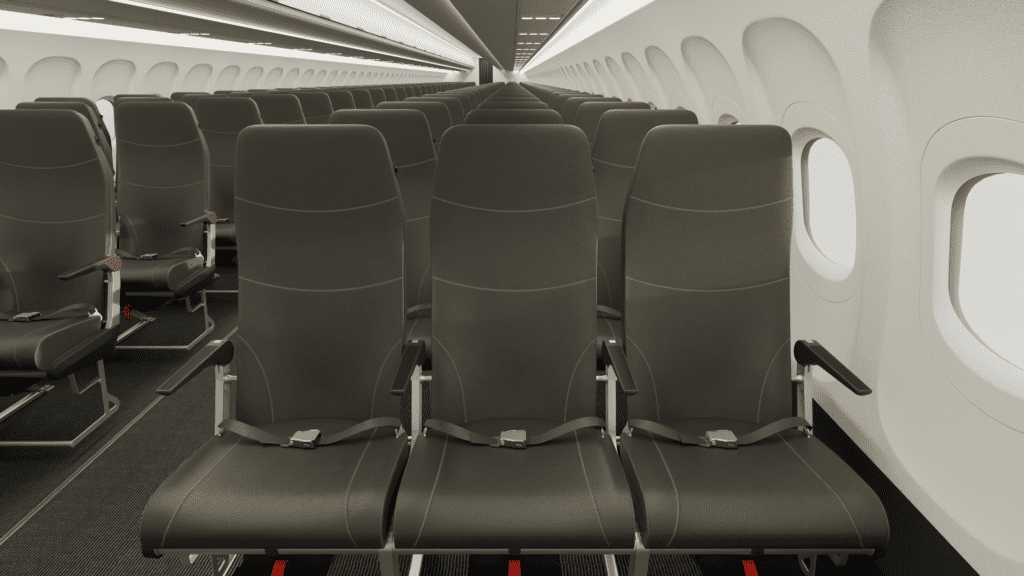
The Kestrel seat has seat pockets and larger tray tables, which is as good as I think easyJet will get
So while I can’t judge a seat until I’ve tried it, I feel like the Kestrel seat will put easyJet in the league of the “better designed” seats out there (in line with Transavia, Wizz Air, and some full-service carriers), as opposed to my less preferred seats in the industry.
Conclusion
easyJet’s new release of their Kestrel seat today got me thinking about what I value in a low-cost carrier, as well as how I choose which airline to fly if pricing and schedule is similar. I have my preferences when flying intra-Europe on a low-cost carrier and in basic economy, and these can be as simple as how big the tray table is, whether they have seat pockets, and whether the airline sells good buy-on-board meals and WiFi.
If a few low-cost airlines had very similar pricing on a route, how do you make your pick?