





When you arrive in a new country, an officer will always check your passport, determine whether you can legally enter the country, and let you know how long you can stay there for. When you leave a country, most countries will check your passport again to make sure that you haven’t overstayed your maximum allowed length, as well as stamp you out. Either or both of these processes could be done by a human border officer, or could be electronic.
While most countries do the former process, some countries skip the latter process entirely – at least that’s how it feels for the passenger. So, does the country actually know that you’ve left? Yep, they will – here are some practicalities for countries that don’t do departure immigration, as well as a explanation of how it works.
Which countries don’t do departure immigration?
Whether using a human border officer or an electronic means, in most countries you will have to go through a departure immigration process. This includes the Schengen region, virtually every Asian country, Australia and New Zealand, and more.
There are five major exceptions to this. These countries are:
- United Kingdom
- United States
- Canada
- Mexico
- Bahamas
In these five countries, you’ll still have to go through security upon departure. However, after you leave the bounds of security, you won’t need to pass through a separate area for immigration – you’ll immediately be airside, and can catch your flight (or visit lounges) from there.

Canada is one of five countries where you won’t have to pass exit immigration
Note that there’s no difference in how arrival immigration works for these places – you’ll still have to go through a border officer or a gate upon arrival (and some of these countries actually have some of the longest arrival immigration queues – especially the UK and the U.S.).
What does this mean if my flight isn’t leaving from one of the above countries?
If you’re from one of the above countries, an important thing to note is that departure immigration, when formalised, does take time. While many airports (particularly in Asia) have automated systems, sometimes you should expect a queue when being seen by a border officer upon departure. The Schengen region is particularly known for departure immigration formalities that take a bit longer than people expect (though due to the fact that you’re leaving the country and therefore the government’s responsibility of your welfare, checks are usually much quicker than upon arrival).
So if you’re from the UK, Canada, U.S. etc. and are planning to fly out of another country, leave time for immigration formalities, or perhaps don’t trust the airport theory.

People from the U.S. or UK may be surprised to learn about the extra step when flying out of an airport not from the above countries
How can countries know you’ve left a place without departure immigration?
Some may be wondering how a country can acknowledge that you’ve left, especially since there isn’t a departure stamp on your passport. Will you get an overstay warning, or will they question you the next time you enter the country?
The answer is no (as you’d expect). In fact, most countries (including many that still do departure immigration) have fully digitised systems, so the passport stamp merely serves as a reconciliation tool if there are software issues. The five countries above deem this reconciliation tool to be unnecessary – likely because of higher confidence in the system, or the fact that they have redundancy tools to check when someone enters or exits a country.
When you check in with an airline, the airline is required to send your passenger information to both the origin and destination’s government authority. The originating government will then keep a record that you have left the country (they will also know whether you have passed through airside, or actually boarded the flight or not), whereas the destination government will keep on record that you have passed through.
Generally you can expect that governments will be able to reconcile dual citizenship, though if governments don’t recognise dual citizenship, you’ll have to be mindful of which passport you use to check in for your flight. This is true regardless of whether your flight is from one of the five countries listed above – the fact that departure immigration isn’t even needed for these countries serves as a reminder of how much personal data an airline gets when you fly them.
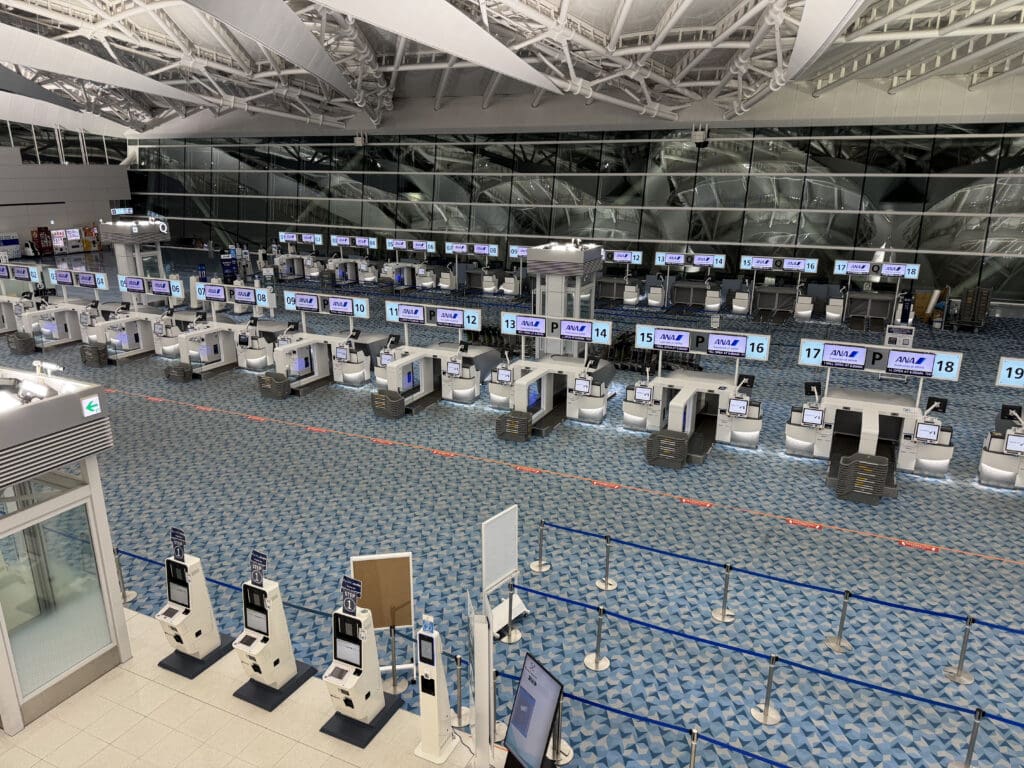
Countries such as Japan don’t recognise dual citizenship, so that’s one thing to keep in mind when you’re checking in for a flight
Conclusion
Departure immigration is when an airline checks your passport and stamps you out of the country when you leave the airport on an international flight. All but five countries do this step, though if you’re from one of the five countries (which have the biggest international travel industries in the world – including UK, U.S., Canada and Mexico), you might be surprised to learn that this step exists when you’re flying out of another country.
This tends to be a speedy step, though you’ll want to factor in an extra 15-20 minutes more than you normally do when you get to an airport, in most cases.
Have I missed any countries that also bypass a formal departure immigration procedure?